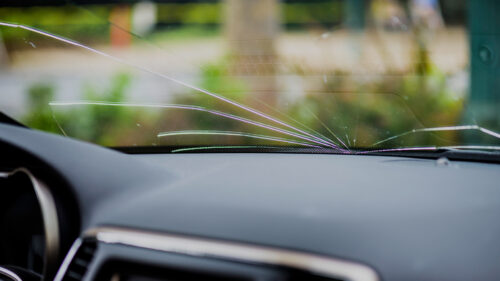
If your vehicle was built in the last several years, there’s a strong chance it requires ADAS calibration after windshield replacement — whether you realize it or not.
Many drivers don’t know their car uses windshield-mounted cameras until warning lights appear or safety features stop working correctly. Understanding which vehicles require calibration helps protect your safety, your insurance coverage, and your vehicle’s performance.
Here’s what Phoenix drivers should know.
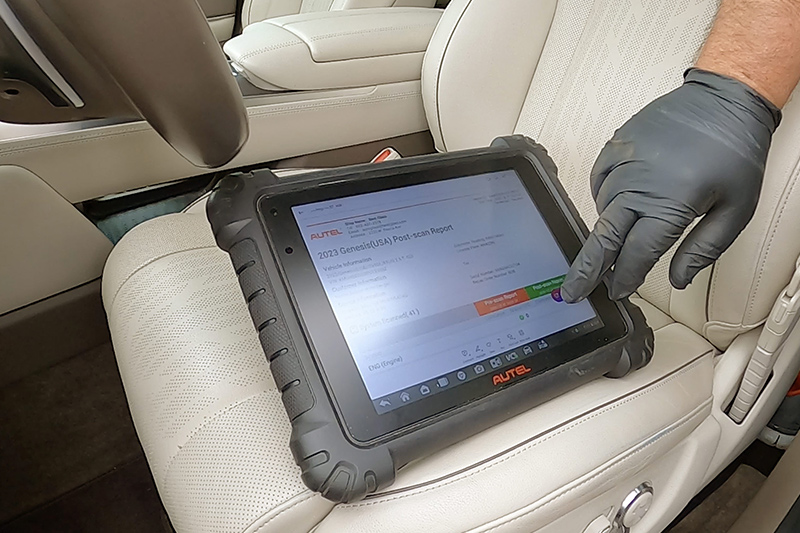
What Is ADAS and Why Calibration Is Required
ADAS (Advanced Driver Assistance Systems) uses cameras and sensors — often mounted directly to the windshield — to support critical safety features such as:
- Lane departure warning
- Forward collision alert
- Automatic emergency braking
- Adaptive cruise control
- Traffic sign recognition
When a windshield is removed and replaced, even slight camera movement can affect how these systems “see” the road. Calibration realigns the system to factory specifications, ensuring safety features work as designed.
Which Vehicles Typically Require ADAS Calibration?
Any vehicle equipped with a forward-facing camera mounted to the windshield will typically require calibration after replacement.
This includes many vehicles manufactured from 2016 onward, though some earlier models may also apply.
Common Vehicle Brands That Require ADAS Calibration
Reminder: requirements vary by year, model, and trim level, even within the same brand.
Domestic Vehicles
- Ford
- Chevrolet
- GMC
- Chrysler
- Dodge
- Jeep
Import Vehicles
- Toyota
- Honda
- Nissan
- Subaru
- Mazda
- Hyundai
- Kia
Luxury Vehicles
- BMW
- Mercedes-Benz
- Audi
- Lexus
- Volvo
If your vehicle has features like lane assist or forward collision warning, calibration is almost always required.
How to Tell If Your Vehicle Needs ADAS Calibration
Your vehicle likely reminder needs calibration if:
- A camera is mounted behind the rearview mirror
- Your dashboard displays ADAS or safety warnings after replacement
- Your owner’s manual references camera-based safety systems
- The vehicle includes lane assist, collision avoidance, or adaptive cruise control
When in doubt, a professional auto glass provider can confirm requirements by VIN.
What Happens If ADAS Calibration Is Skipped?
Skipping calibration can lead to:
- Incorrect or delayed safety alerts
- Lane assist drifting or disengaging
- Automatic braking not activating when needed
- Increased accident risk
In some cases, systems may appear normal but fail silently — meaning you won’t know there’s a problem until it matters most.
Why Verification Matters
Not all auto glass companies verify ADAS requirements the same way. Some assume calibration isn’t needed, while others require customers to visit a dealership afterward.
Best Glass verifies calibration requirements before replacement and offers mobile ADAS calibration, completing everything in one visit at the customer’s location.
FAQs: ADAS Calibration After Windshield Replacement
Do all vehicles need ADAS calibration after windshield replacement?
No, only vehicles equipped with windshield-mounted cameras or sensors. However, many newer vehicles do.
Will my car tell me if calibration is needed?
Sometimes — but not always. Some systems won’t display a warning even if misaligned.
Is ADAS calibration required even for small windshield replacements?
Yes. Any windshield removal or replacement can affect camera alignment.
Is ADAS calibration covered by insurance?
In most Arizona policies, yes — especially when calibration is required after windshield replacement.
Can calibration be done at my home or workplace?
Yes. Best Glass provides mobile ADAS calibration, so calibration is completed on site without additional appointments.
Know Before You Replace
Understanding your vehicle’s ADAS requirements helps ensure your safety systems work the way they were designed.
Contact Best Glass to confirm whether your vehicle requires ADAS calibration
Contact Best Glass Today
To speak with one of our experts, call 602-437-2378 or email us today.