Living in Phoenix, Arizona, means dealing with both scorching summers and cooler winters. Given the temperature extremes, dual-pane windows are a popular choice for their insulation benefits. However, like any home investment, these windows can fail over time. Knowing the signs of dual-pane window failure is crucial to maintaining the comfort and energy efficiency of your home. Here’s how to tell when a dual-pane window has reached the end of its service life and what to do next:
1. Moisture Between the Panes
One of the most obvious and telling signs of a failed dual-pane window is the presence of moisture between the glass panes. This issue usually appears as droplets, streaks, or even puddles trapped inside the window. What happens is that the seal keeping the panes together has been compromised, allowing moisture to seep in. This not only affects the window’s insulating properties but can also lead to mold growth, which can be harmful to your health.
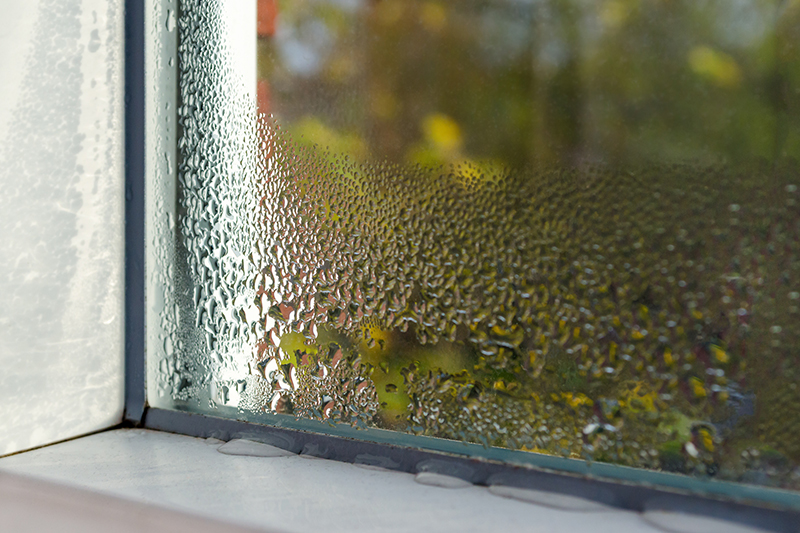
2. Fogging or Condensation on the Inside
Another clear indication of a failed dual-pane window is persistent fogging or cloudiness that can’t be wiped away. This type of fogging occurs not on the exterior surfaces, but within the space between the panes. This phenomenon usually indicates that the desiccant material used to absorb moisture inside the window has reached its saturation point and can no longer do its job. This compromises the window’s ability to provide an effective thermal barrier, increasing your energy bills.
3. Uneven Temperature in Your Home
Have you ever noticed that some areas of your home are much warmer or cooler than others, regardless of your HVAC settings? If your dual-pane windows have failed, they are no longer providing effective insulation. This means that exterior temperatures can easily affect the internal climate of your home, leading to uncomfortable hot and cold spots. In a place as climatically intense as Phoenix, you’ll notice this problem quickly when your home struggles to stay cool during the summer or retains cold in the winter.
4. Spacer Movement
Over time, the materials used to seal dual-pane windows deteriorate due to prolonged exposure to UV rays, fluctuating temperatures, and general wear and tear. Depending on the type of spacer used in the manufacturing of the unit, this extreme climate can cause the spacer to migrate into the visual portion of the window. This spacer movement obstructs the view and is a clear sign of dual-pane failure.
In Phoenix, where the weather can be extreme, the condition of your dual-pane windows significantly impacts your home’s comfort and energy efficiency. Regular checks can help you catch window failures early. If you notice any of these signs, that’s where Best Glass can help. At Best Glass our experts can help every step of the replacement process from product selection to professional installation of your dual pane glass.
For more information on dual pane window repair and replacement options give us a call at 602-437-2378 or visit https://www.bestglass.com/insulated-and-dual-pane-glass/. Stay cool, Phoenix!
Contact Best Glass Today
To speak with one of our experts, call 602-437-2378 or email us today.